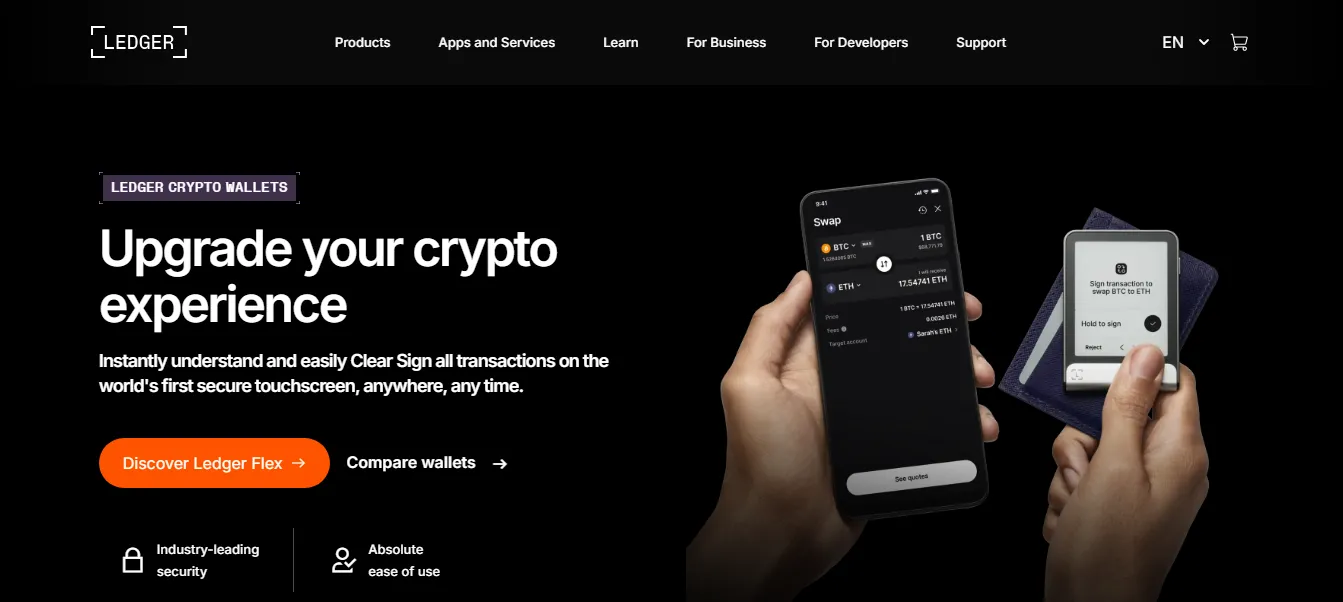
In the fast-evolving world of cryptocurrency, securing your digital assets is more important than ever. Whether you’re a seasoned investor or a newcomer to the crypto world, one of the best ways to protect your assets is by using a hardware wallet. Ledger, a leader in crypto security solutions, offers cutting-edge hardware wallets that provide a safe, easy-to-use method for managing your crypto holdings.
If you’re wondering how to get started with Ledger, this guide will walk you through everything you need to know—from setting up your Ledger device to safely storing and accessing your cryptocurrency.
A hardware wallet is a physical device designed to store your private keys offline, making it highly resistant to hacking and theft. Ledger, a leading provider of hardware wallets, offers two main products: the Ledger Nano S Plus and the Ledger Nano X. These devices allow you to securely store a wide variety of cryptocurrencies, including Bitcoin (BTC), Ethereum (ETH), and many others, all in one place.
Unlike software wallets, which store private keys on your computer or mobile device, hardware wallets like Ledger provide an added layer of security by ensuring that your keys are never exposed to the internet. This makes them an ideal choice for anyone looking to store large amounts of cryptocurrency or simply want peace of mind knowing their assets are safe.
Ledger wallets are trusted by millions of cryptocurrency holders worldwide, and there are several reasons why they stand out in the market:
Getting started with Ledger is quick and easy. Follow these simple steps to secure your cryptocurrency:
When you receive your Ledger device, unbox it and check that all components are included. You should find your Ledger hardware wallet, a USB cable, and a recovery sheet.
Ledger Live is the software application that allows you to interact with your Ledger device. It’s available for both desktop (Windows, macOS, Linux) and mobile (Android, iOS). Download the app from the official Ledger website and install it on your device.
Plug your Ledger wallet into your computer or mobile device using the provided USB cable. The device will prompt you to set it up for the first time. You’ll need to choose a PIN code (usually a 4-8 digit number) that will be required each time you access your wallet.
As part of the setup, Ledger will generate a 24-word recovery phrase for you. This phrase is your backup in case you ever lose or damage your device. Write it down on the provided recovery sheet and store it in a secure place (preferably offline, such as a safe or secure vault).
Once your device is set up, open Ledger Live and follow the prompts to add cryptocurrencies to your wallet. You can select from the supported coins and tokens and add them to your device. Ledger Live will provide you with an address for each cryptocurrency, which you can use to send funds to your wallet.
Now that your Ledger wallet is ready, you can begin sending and receiving cryptocurrency. To send crypto, simply select the "Send" option in Ledger Live, enter the recipient’s address, specify the amount, and confirm the transaction. To receive crypto, select "Receive," and Ledger Live will show your wallet address, which you can share with others.
While Ledger wallets are designed for maximum security, there are still some best practices you should follow to ensure your funds remain safe:
Using a Ledger hardware wallet is one of the safest ways to store your cryptocurrency. With robust security features, wide coin support, and an easy-to-use interface, Ledger has established itself as a trusted name in the world of crypto security. Whether you’re a beginner or an experienced investor, getting started with Ledger is a smart choice for safeguarding your digital assets.
Now that you know how to set up and use your Ledger wallet, it’s time to take control of your crypto security. Don’t leave your assets exposed to online threats—secure your crypto with Ledger today!